EVOLVE
Economically viable integrated floating energy islands maximizing social welfare through LCOE optimisation preserving local content and multi-usage considerations
Key facts
Status
ongoing
Duration
1 Jan 2026 - 31 Dec 2028
Proposal no
SBEP2024-333
Theme
Blue economy sectors and infrastructures
Sea basins
Atlantic Ocean
Baltic Sea
Mediterranean Sea
North Sea
Countries
Contact
Description
Within the European Green Deal, targets are set to have an installed capacity of offshore wind of least 60 GW in 2030. To fully leverage the potential of the European Sea Basins, the transition to floating structures is essential, allowing to move beyond construction in the relatively shallow waters. Floating wind is a relatively new market, with only a total installed capacity of 232MW in 2023. This is expected to grow with 5000% by 2030, which means that rapid maturation of this market is needed. Due to the increasing distance between farms and shore, the additional challenges are not only limited to the design of the sub-floater, but also consist of establishing suitable transport vectors between these farms and the mainland, optimizing the operating and maintenance (O&M) strategy of farms, quantifying the energy losses due to wake effects in floating wind, and considering deployment limitations such as conservation, tourism and fishing areas. This means that a competitive Levelized Costs of Energy (LCOE) needs to be achieved compared to conventional energy sources, while increasing the social acceptance of wind energy. These challenges can in part be mitigated by the construction of offshore energy islands.
EVOLVE aims to fill these gaps by delivering technologies and methodologies to achieve the integration of different offshore energy technologies at the level of energy islands in a way that optimizes the LCOE and social welfare. Market scenario analyses are performed for different sites across the European sea basins to estimate a maximum viable LCOE, based on regulations, policy constraints and potential incentivization schemes. Hotspot and potential area analyses are performed for the European sea basins in an multi criteria decision analysis based on estimates of production yield, environmental conditions and multi-use constraints (e.g., fishery, tourism, transport). Hydrogen production is integrated and optimal transport vectors and routes are investigated to allow for transport of hydrogen in addition to the direct use of electricity. To this end, the use FARWIND's energy ship in combination with floating energy islands is investigated. In addition, different designs of sub-floaters are developed and tested in both a simulation and lab setup, to maximize production capacity on the floater and increase lifetime. Finally, an integrated operational strategy is developed to balance the intermittent multi-use renewable energy systems installed on the energy island, to further minimize operational costs and increase production.
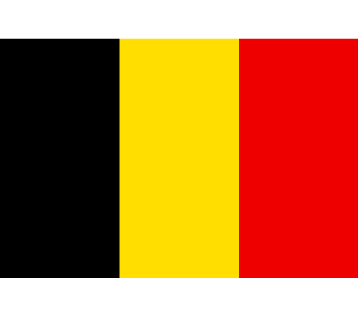
Coordinator: Vrije Universiteit Brussel, VUB, Belgium
Partners:
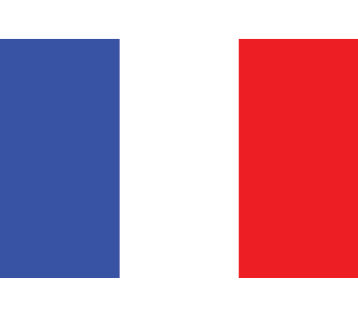
- Ecole Centrale de Nantes, ECN, France
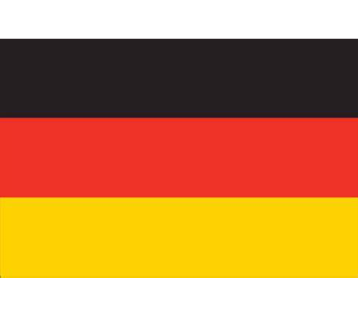
- Fraunhofer Institute for Energy Economics and Energy System Technology, IEE, Germany
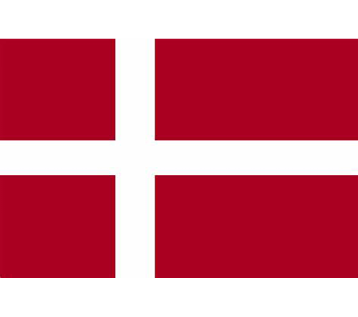
- Aalborg University, AAU, Denmark
- NATIONAL TECHNICAL UNIVERSITY OF ATHENS - NTUA, NTUA, Greece
- FARWIND Energy SAS, FARWIND, France